
Resources
Stability and resilience
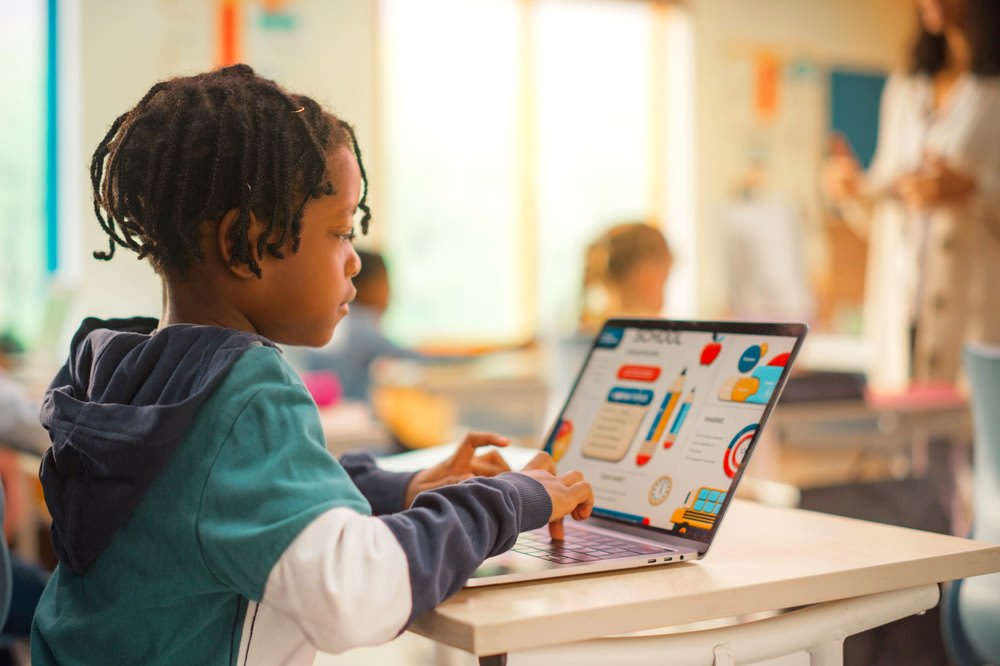
EdTech for education in emergencies: A review of existing guidance and minimum standards
EdTech Hub, supported by UKAid, Gates Foundation, The World Bank and UNICEF, has published a review examining existing guidance on the design and implementation of edtech in emergencies. Key findings reveal a significant lack of context-specific guidance for using edtech in emergency settings. Most available resources are general and often developed in high-income countries, and essential aspects such as costing, logistics and scalability are rarely addressed. There is also an overemphasis on mobile technologies, which could limit exploration of other potentially valuable solutions.

Trends shaping education in 2025
This OECD report highlights key global trends reshaping education, calling for urgent attention to the challenges posed by rising conflicts, technological imperatives and democratic risks. The report emphasises that investing in education is essential for peacebuilding and post-conflict recovery. It stresses the importance of flexible systems that support lifelong learning, addresses the growing demand for digital and green skills, and emphasises the critical role education plays in safeguarding democratic values by promoting informed and engaged citizens.
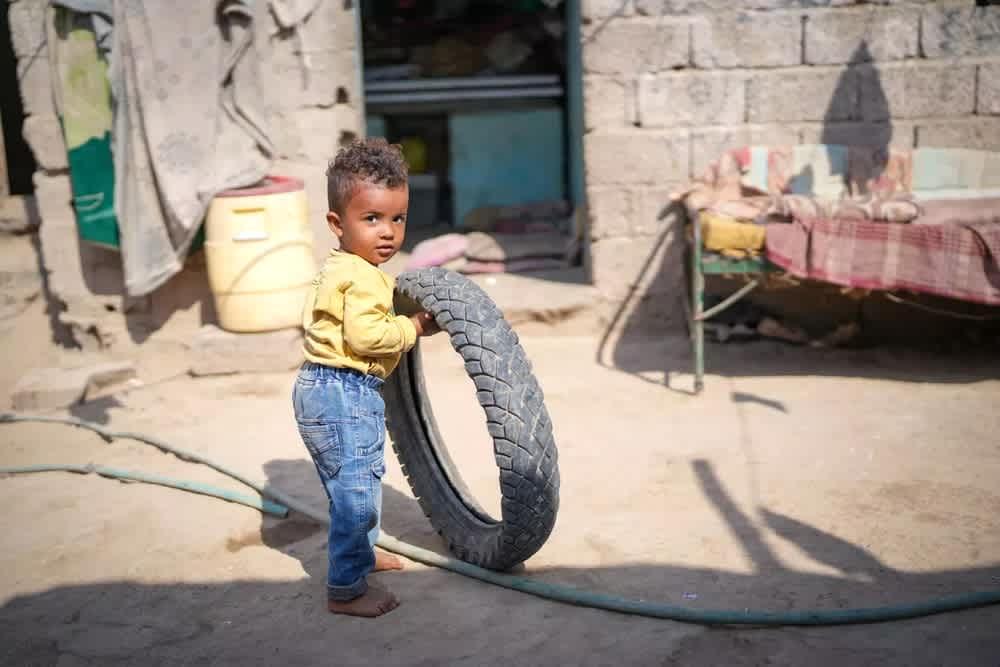
Prospects for children in 2025: Building resilient systems for children’s futures
This UNICEF report highlights several trends that threaten the sustainability and resilience of education systems. Global conflicts have increasingly jeopardised children’s rights and well-being, with nearly 19% of children affected by conflict today, double the percentage seen in the 1990s. The report also addresses the growing issue of debt distress, particularly in 15 African Union countries, where debt servicing now takes up more of national budgets than investments in education. To build resilience, the report suggests adopting systems approaches that go beyond basic service delivery, particularly in education.

Do adults have the skills they need to thrive in a changing world?
This OECD survey report provides a detailed look at literacy, numeracy and adaptive problem-solving skills among adults aged 16-65 across 31 countries. The survey reveals that despite global efforts to improve education, overall skill levels have not kept pace, with skill gaps widening particularly among disadvantaged socio-economic groups. The findings present urgent questions about how education systems can adapt to meet evolving skill demands and ensure that lifelong learning benefits all individuals.

This 2025 World Economic Forum report offers insights into how factors like technological advancements, economic uncertainty, demographic shifts and the green transition will reshape the global labour market. Key takeaways include the growing demand for skills in AI, big data, cybersecurity and renewable energy, as well as transferable skills such as analytical thinking, leadership, flexibility and social influence. With nearly 40% of current skills set to become outdated by 2030, upskilling and reskilling will be essential for workers, with a focus on technology, resilience and leadership.
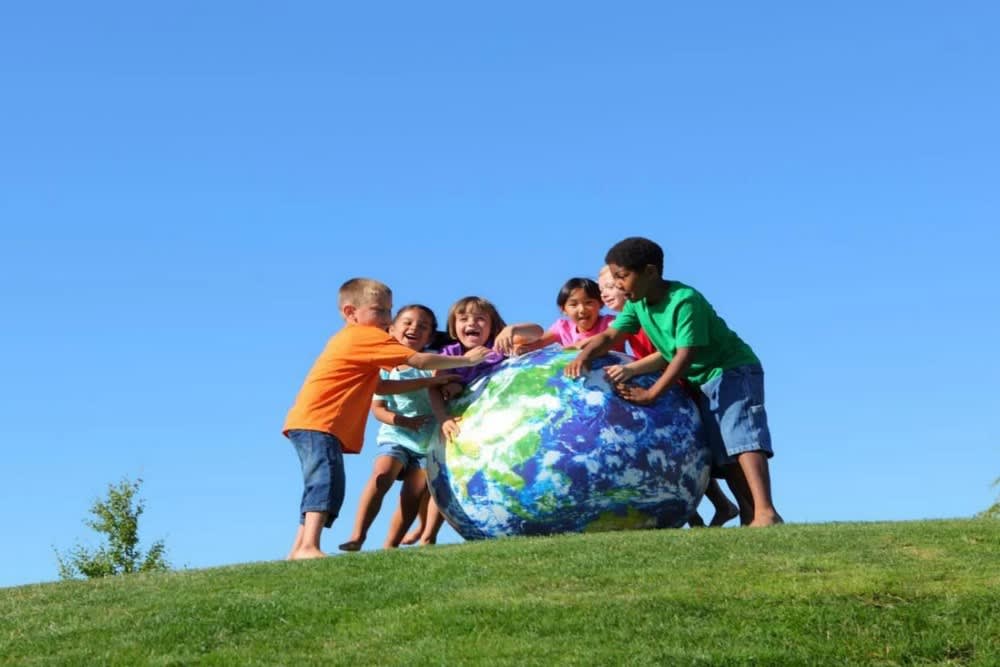
Peace education in the 21st century: An essential strategy for peacebuilding
This UNESCO report highlights the importance of education in building lasting peace by addressing the root causes of conflict. It calls for integrating peace education in schools, supporting policies, training teachers and prioritising funding. A recent study, Investing in Education: Building a Bridge to Peace, shows that countries with better education outcomes are more peaceful. Despite global challenges, investing in education can reduce conflict, foster tolerance and rebuild social cohesion. The report also stresses the benefits of educating girls for greater peace, stability and prosperity.
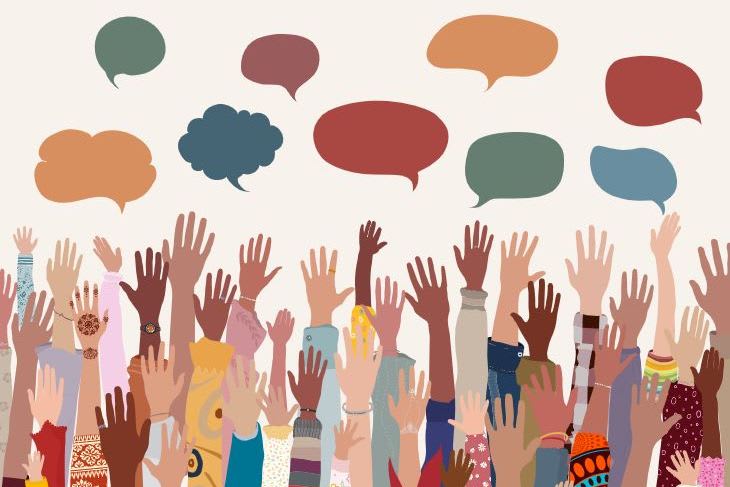
Languages matter: Global guidance on multilingual education
International Mother Language Day, recognised by UNESCO since 2000, emphasises the importance of preserving linguistic diversity and promoting inclusive education. With over 8,324 languages globally, many are at risk, and 40% of learners lack education in their mother tongue. This report urges policymakers to integrate multilingual education into national frameworks to ensure all learners are included. Multilingual education enhances critical thinking, supports global goals like gender equality and climate action, and contributes to achieving the Sustainable Development Goals.

Copyright © 2026 Times Higher Education (THE). All rights reserved.