
Resources
Achieving SDG 4
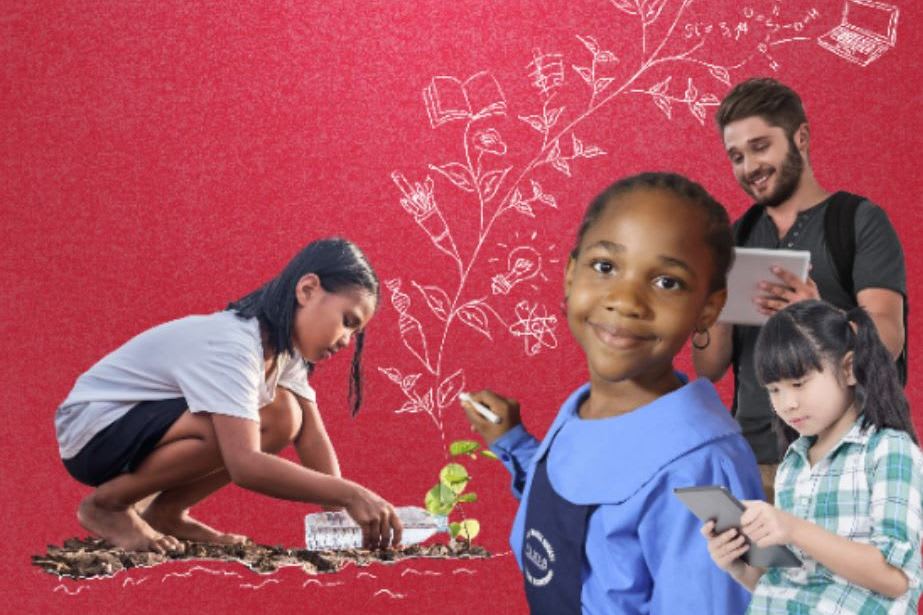
UNESCO has released the findings of a global survey of actions undertaken by 91 countries to accelerate progress towards SDG 4. The report provides valuable insights into the steps being taken and the challenges faced in education transformation globally. Key takeaways include the need for context-specific approaches, securing sustainable funding, addressing the digital divide and global teacher shortage, and the growing recognition of the importance of early childhood education.
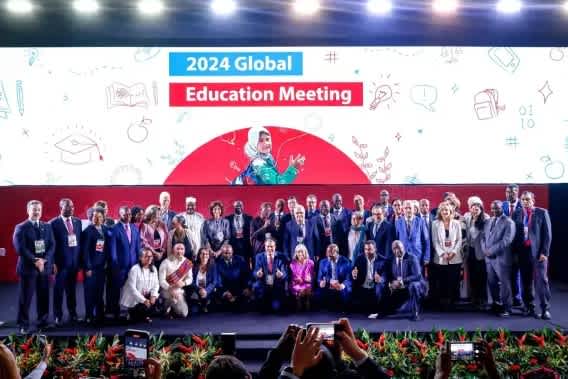
The 2024 Global Education Meeting (GEM) held in Fortaleza, Brazil, alongside the G20 Education Ministers’ Meeting, marked a significant milestone in the global pursuit of education equity and financing with the adoption of the Fortaleza Declaration. The declaration emphasises the urgent need for accelerated actions to ensure inclusive and equitable quality education for all, aligning with the goal of SDG 4.
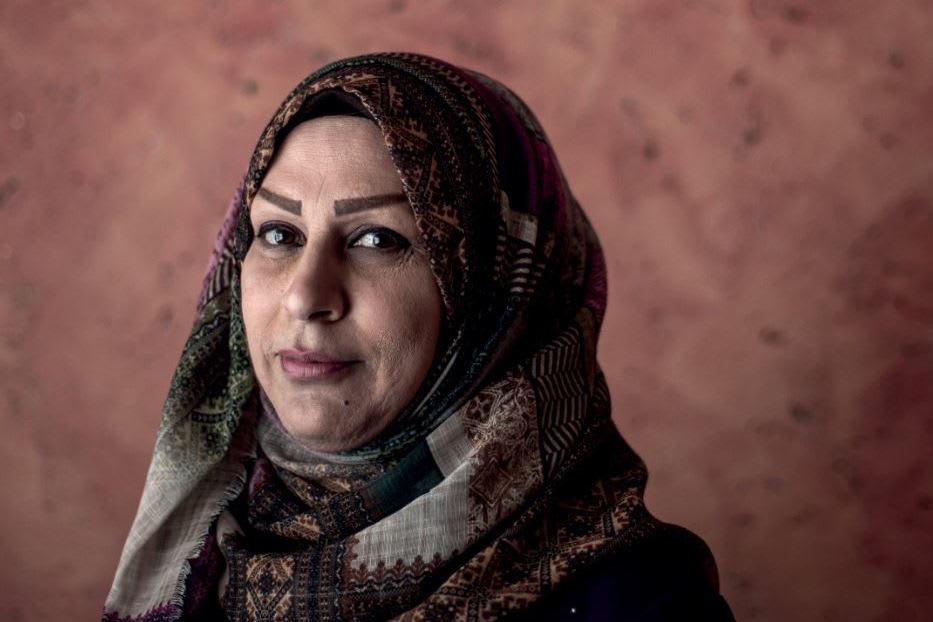
Global education monitoring report summary, 2024/5: Leadership in education
This 2024/25 UNESCO report looks at the critical role of leadership in education. It assesses progress towards the 2030 targets and shows that, while more children are in school and completing secondary education than ever before, there is stagnation in many areas. It emphasises how leadership is central to addressing this, calling for efforts to develop leaders in four key leadership dimensions so that they can set expectations, focus on learning, foster collaboration and develop people.
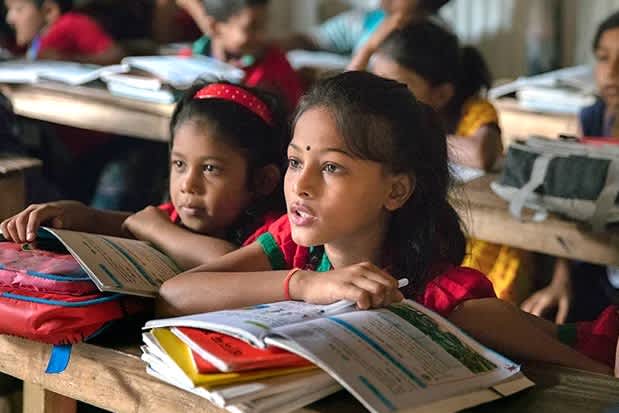
The latest Education Finance Watch report from the World Bank and UNESCO shows that during the last decade, total education spending by governments, households and donors globally has increased steadily. However, this rise has not led to major increases in allocations per child, especially in poorer countries with growing populations. The report highlights inefficient spending, declining education aid, and the burden of debt on education budgets.

Reaching for the right to higher education: Evidence from 15 countries
This UNESCO report highlights key initiatives from 15 countries, including Argentina, Brazil, Chile, India and South Africa. It outlines the need for better financing, policy measures to ensure equitable participation, and a focus on student success beyond mere access. It also calls for more data to drive change and highlights the untapped potential of technology in expanding access to higher education.

The world needs women’s leadership and expertise
As part of Italy’s 2024 G7 Presidency, the Gender Equality Advisory Council launched this report highlighting the importance of education in advancing gender equality. It stresses that quality education for women and girls is a key investment in economic growth, social stability and global competitiveness, outlining several key areas for action. To support these objectives, G7 members have committed at least $2.75 billion in funding to the Global Partnership for Education over the next five years, ensuring women can pursue vocations without limitations.

Reducing inequalities by investing in early childhood education and care
This OECD report provides an essential roadmap for addressing inequality through early childhood development. It emphasises that the early years are crucial for shaping children's future, calling for tailored approaches to meet the unique needs of children, such as those from diverse socio-economic or cultural backgrounds. It emphasises how investing in early childhood education and care is not merely about childcare – it's a powerful strategy for reducing inequalities and building a more just and equitable society.

Closing the gender gap in science
The 10th anniversary of the International Day of Women and Girls in Science highlights the gender gap in scientific fields, with women making up just one-third of the workforce, particularly in AI and engineering. This 2024 UNESCO report urges efforts to dismantle stereotypes, create educational pathways for girls, and foster inclusive workplaces for women scientists. Achieving gender equality in science is essential for unlocking society's potential to drive innovation, economic growth and productivity.

Innovative financing in developing countries
With international aid funding declining, alternative financing models are needed to support education and achieve SDG 4. This 2024 World Bank working paper highlights the education financing gap and proposes solutions like blended finance, debt swaps and public-private partnerships. Data from the Global Education Cooperation Mechanism shows that low-income countries face significant funding gaps, with education spending far below that of high-income countries and more money allocated to debt servicing than education.
The 2023 GEEAP Report Cost-Effective Approaches to Improve Global Learning report summarizes the latest evidence on what the “smart buys”, most cost-effective interventions are for improving learning of all children in low- and middle-income countries. The report is authored by the Global Education Evidence Advisory Panel (GEEAP), an independent, multidisciplinary panel of leading global experts in education evidence and policymaking that is co-hosted by the UK’s Foreign, Commonwealth & Development Office (FCDO), UNICEF Office of Research-Innocenti, the U.S. Agency for International Development (USAID) and the World Bank.
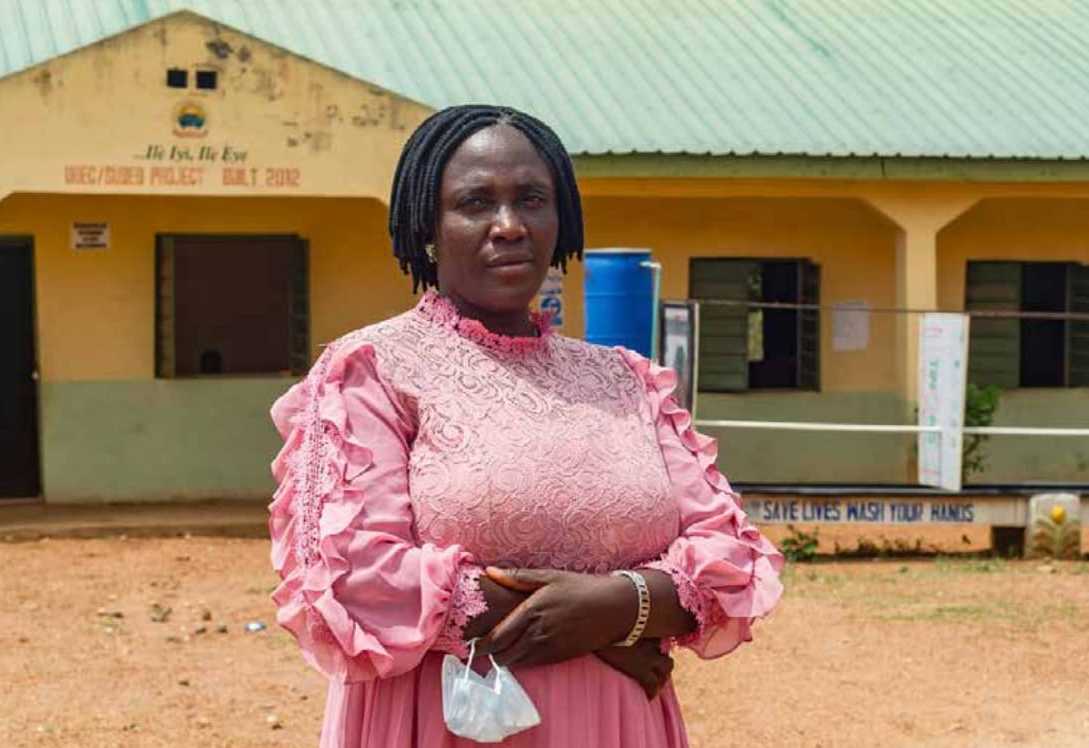
Global Education Monitoring Gender Report
The 2025 Global Education Monitoring Gender Report reveals persistent gender disparities in education, especially in leadership roles, despite progress in access and learning. Women’s presence declines at higher levels of education leadership, except in early childhood. The report finds that while leadership style depends more on context and personality than gender, women leaders often drive equity, collaboration, and inclusion. It calls for supporting all leaders who champion vision, instruction, and teacher development to unlock education’s full transformative potential and advance gender equality.
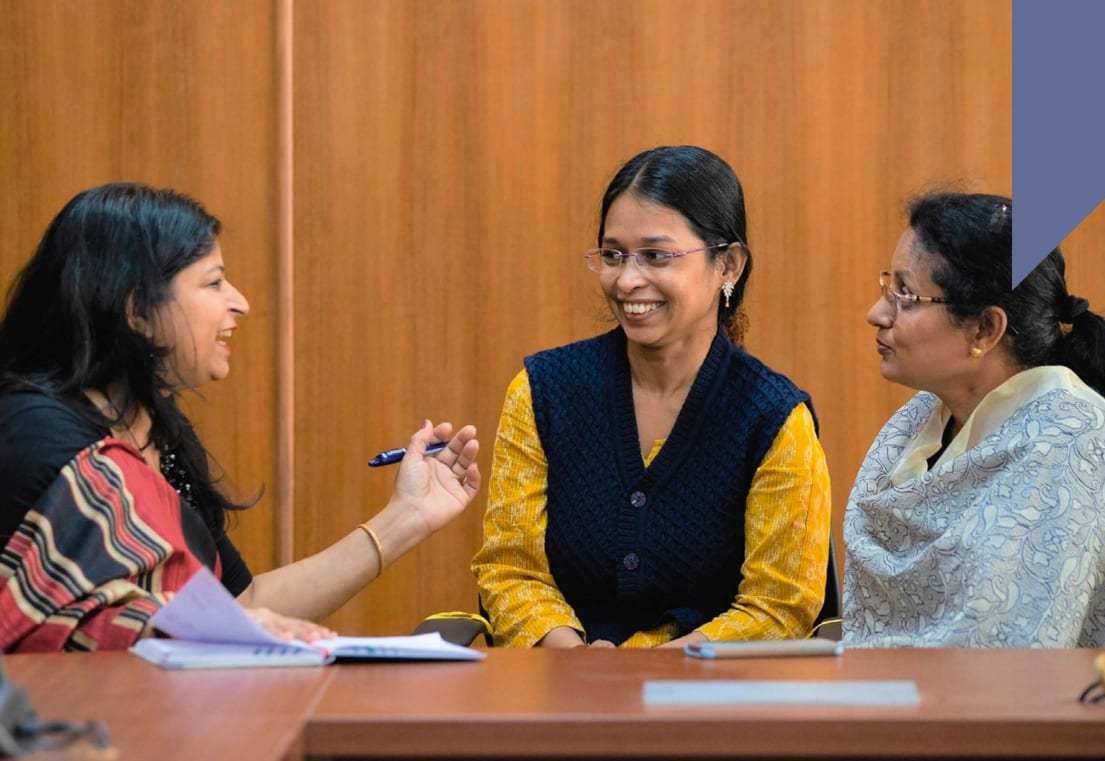
Leveraging the potential of the middle tier to improve education outcomes
Supported by the Learning Generation Initiative and What Works Hub, as well as UK International Aid, this study highlights the critical yet overlooked role of the education system’s middle tier—regional, district, and subdistrict levels—in translating policy into practice and scaling reform, especially in LMICs. It outlines key functions, capacity gaps, and introduces a new assessment framework to help governments strengthen the middle tier - unlocking its potential to improve teaching, equity, and learning outcomes across education systems.
This pilot-phase toolkit by the Learning Generation Initiative provides practical guidance for officials in low- and middle-income countries on using delivery approaches to tackle the global learning crisis. It introduces a Launch-Learn-Sustain-Scale framework to design, implement and scale initiatives that focus on measurable outcomes. Key elements include political support, stakeholder engagement, data use, capacity building and long-term planning. The toolkit aims to equip policymakers with tools to strengthen implementation and achieve sustained improvements in education outcomes.

Copyright © 2026 Times Higher Education (THE). All rights reserved.